

What Is a Hysterectomy?
A hysterectomy is a surgical procedure to remove the uterus (womb). The uterus is where pregnancy develops and where menstrual bleeding comes from. After a hysterectomy, a woman will no longer have periods and cannot become pregnant.
This surgery is commonly done to treat conditions that cause severe pain, heavy bleeding, or cancer, especially when other treatments have not worked. Depending on the medical condition, the cervix, ovaries, and fallopian tubes may also be removed
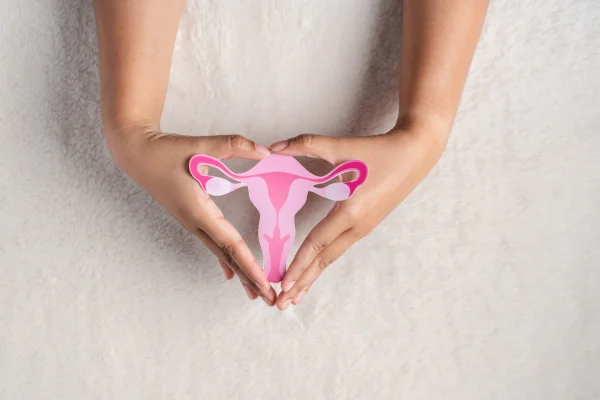
Types of Hysterectomy
- Total hysterectomy
Removal of the uterus and cervix (most commonly performed) - Partial (Subtotal) hysterectomy Removal of the upper uterus while the cervix remains
- Radical hysterectomy Removal of the uterus, cervix, upper vagina, and surrounding tissues
(usually done for cancer)
Hysterectomy with removal of ovaries and tubes
(called bilateral salpingo-oophorectomy)
Symptoms That May Require a Hysterectomy
You may be advised to consider hysterectomy if you experience:
- Very heavy or prolonged menstrual bleeding
- Severe pelvic pain not relieved by medication
- Large uterine fibroids causing pressure or pain
- Painful periods affecting daily life
- Endometriosis not responding to treatment
- Uterine prolapse (uterus slipping into the vagina)
- Chronic pelvic pain
- Abnormal uterine bleeding
- Gynecological cancers (uterus, cervix, ovaries)
Risk Factors
You may have a higher risk if you:
- Are over 40 years of age
- Have had multiple pregnancies
- Are overweight or obese
- Have a family history of fibroids or gynecological cancers
- Have endometriosis
- Had previous cesarean sections
- Have chronic pelvic inflammatory disease
Benefits of Hysterectomy Treatment
Permanent relief from heavy menstrual bleeding
- Elimination of chronic pelvic pain
- Relief from fibroid-related pressure
- Resolution of anemia caused by blood loss
- No more abnormal uterine bleeding
- Cures uterine and cervical cancer (in many cases)
- Treats adenomyosis permanently
- Eliminates uterine prolapse
- Prevents future uterine problems
When Should You See a Doctor?
Consult a gynecologist if you have:
- Heavy bleeding lasting more than 7 days
- Bleeding between periods or after menopause
- Severe pelvic pain affecting daily life
- Pelvic pressure or fullness
- Pain during intercourse
- Urinary or bowel problems related to pelvic organs
Uterus Removal (Hysterectomy)
A hysterectomy is the surgical removal of the uterus and often the cervix. Depending on the reason for the surgery, the hysterectomy involves the removal of surrounding organs and tissues, such as the fallopian tubes and ovaries. During pregnancy, the uterus is where the fetus develops. Its lining is the blood you shed during your period. You can't get pregnant and you won't get your period after a hysterectomy.

𝗧𝘆𝗽𝗲𝘀 𝗼𝗳 𝗛𝘆𝘀𝘁𝗲𝗿𝗲𝗰𝘁𝗼𝗺𝘆
Total hysterectomy:- Removing your uterus and cervix, but leaving your ovaries.
Supracervical hysterectomy:- Removing only the top part of your uterus as it exits your cervix.
Total hysterectomy with bilateral salpingo-oophorectomy:- Removal of your uterus, cervix, fallopian tubes (salpingectomy) and ovaries (oophorectomy). If you haven't experienced menopause, having your ovaries removed can trigger menopausal symptoms.
Radical hysterectomy with bilateral salpingo-oophorectomy:-
Removal of your uterus, cervix, fallopian tubes, ovaries, upper part of your vagina, and some surrounding tissue and lymph nodes. This type of hysterectomy is performed when cancer occurs.
𝗖𝗼𝗺𝗽𝗹𝗶𝗰𝗮𝘁𝗶𝗼𝗻𝘀 𝗼𝗳 𝗛𝘆𝘀𝘁𝗲𝗿𝗲𝗰𝘁𝗼𝗺𝘆
- Blood clots.
- Severe infection.
- Bleeding.
- Bowel blockage.
- Torn internal stitches.
- Urinary tract injury.
- Issues related to anaesthesia.
𝗥𝗲𝗰𝗼𝘃𝗲𝗿𝘆 𝗧𝗶𝗺𝗲
Most people recover from a hysterectomy in four to six weeks. Your recovery will depend on the type of hysterectomy you had and how the surgery was performed. Recovery from vaginal and laparoscopic hysterectomies takes less time than recovery from abdominal hysterectomies.
𝗣𝗿𝗲𝗰𝗮𝘂𝘁𝗶𝗼𝗻 𝘁𝗼 𝗳𝗼𝗹𝗹𝗼𝘄 𝗮𝗳𝘁𝗲𝗿 𝗵𝘆𝘀𝘁𝗲𝗿𝗲𝗰𝘁𝗼𝗺𝘆
- Don’t lift heavy objects.
- You may experience light vaginal bleeding for one to six weeks. Use only a light panty liner or sanitary pad to catch the discharge.
- Do not put anything inside your vagina for four to six weeks, or as directed by your healthcare provider.
- Don’t have sex for six weeks after surgery.
- You can drive for two weeks after abdominal surgery or when you are not taking narcotics for pain. If you've had a vaginal or laparoscopic hysterectomy, you can start driving within a few days.
- Resume your exercise routine in four to six weeks, depending on how you feel.
- Depending on the type of work you do, you can usually return to work in three to six weeks.
𝗪𝗵𝗲𝗻 𝘁𝗼 𝗖𝗮𝗹𝗹 𝘁𝗵𝗲 𝗗𝗼𝗰𝘁𝗼𝗿
if you have:
- Increasing amounts of pain.
- Severe nausea or vomiting.
- Bright red vaginal bleeding.
- A fever over 100 degrees.
- Difficulty urinating, burning feeling when urinating or frequent urination.
- Increasing redness, swelling or drainage from your incision.