


What Is Medical Termination of Pregnancy (MTP)?
Medical Termination of Pregnancy (MTP), commonly known as abortion, is a safe and legal medical procedure used to end a pregnancy before the fetus can survive outside the womb.
MTP can be done using medications or minor surgical procedures, depending on the stage of pregnancy, medical condition, and patient preference. When performed by trained healthcare professionals under medical guidelines, MTP is considered very safe.
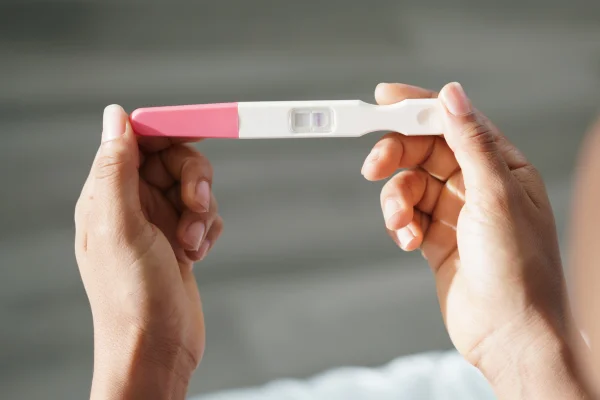
Types / Methods of MTP
- Early medical abortion (up to 9-10 weeks): Using medication like mifepristone and misoprostol
- Surgical abortion: Vacuum aspiration or dilation and curettage (D&C)
- First trimester (up to 12-13 weeks): Usually medical or vacuum aspiration
- Second trimester (13-24 weeks): Dilation and evacuation or medical induction (requires more complex procedures)
Reasons for Seeking MTP
Women may choose MTP for many valid reasons, including:
Unplanned or unwanted pregnancy
- Health risks to the mother
- Fetal abnormalities detected during screening
- Pregnancy resulting from sexual assault
- Failure of contraception
- Financial or social difficulties
- Lack of family or partner support
- Personal choice and reproductive autonomy
Symptoms Indicating Pregnancy
Common early signs of pregnancy include:
- Missed menstrual period
- Nausea or vomiting (morning sickness)
- Breast tenderness or swelling
- Fatigue and tiredness
- Frequent urination
- Mild abdominal cramping
- Light spotting or bleeding
- Positive pregnancy test
Risk Factors for MTP Complications
Complications are rare when done safely, but risk increases with:
Advanced pregnancy stage
Pre-existing medical conditions
Previous uterine surgeries
Bleeding disorders
Infections
Certain medications
Unsafe or illegal abortion methods
Delay in seeking medical care
When Should You See a Doctor?
You should consult a doctor if:
- You have a positive pregnancy test and want guidance
- You are considering pregnancy termination
- You need counseling about available options
- You experience severe pain or heavy bleeding
- You develop fever or signs of infection after MTP
- You need follow-up care
- You want contraception advice after MTP